Royal Mausoleum Site of Yinxu Ruins
Introduction
The Royal Mausoleum Site of Yinxu Ruins, located in Anyang, Henan province, is one of the most significant archaeological sites pertaining to the Shang Dynasty (c.16th to 11th century BC). First discovered in the 1920s, the site has gained international recognition, largely due to the unearthing of oracle bone inscriptions, which are the earliest known form of Chinese writing. These findings have been instrumental in elevating the Shang Dynasty from the realm of legend to that of documented history. The new findings on the Yinxu site changed previous understandings on the layout of the royal mausoleum and the grand picture of Shang history, which was listed within top 10 archaeological finds of 2022.
Historical Background
Yinxu Ruins represents the last capital of the Shang Dynasty, which is considered one of the earliest urban civilizations in ancient China. The Shang Dynasty is notable for its advanced bronze work, early forms of written language, and complex societal structures. Historically, Anyang has been identified as the location of the Shang capital, known as Yin, where the last nine Shang kings ruled until the dynasty's eventual fall around the 11th century BC. The archaeological remains at Yinxu include palaces, temples, workshops and tombs, which offer a glimpse into the highly stratified society of the Shang Dynasty.
Archaeological Discoveries
Excavation History
The initial discovery of the Yinxu site dates back to the 1920s, led by Chinese archaeologists who conducted systematic excavations. These early excavations uncovered oracle bones, which provided critical evidence for the existence of the Shang Dynasty as a historically verifiable period. Over the years, numerous archaeological campaigns have been undertaken, each contributing to an evolving understanding of the complex societal structures of the Shang Dynasty. New excavations in 2022 have revealed over 460 new sacrificial pits, along with trenches believed to be part of a moat system designed to protect the mausoleum. These discoveries have been pivotal in reshaping scholars' perceptions of the spatial organization and ceremonial functions of the royal mausoleum.
Important Findings
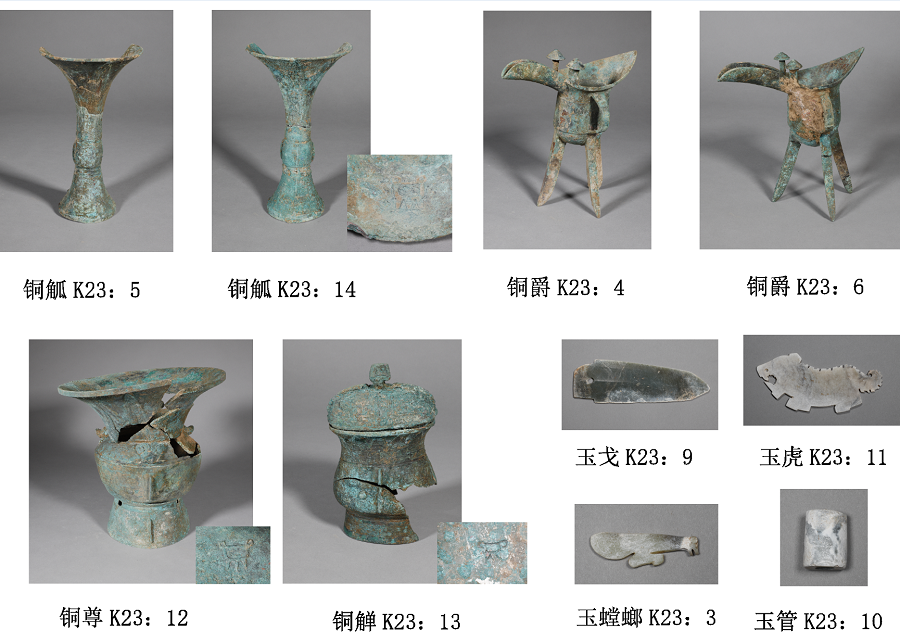
The royal mausoleum site at Yinxu has yielded a wealth of artifacts, including jade, bronze and pottery items, which highlight the craftsmanship and artistic achievements of the Shang Dynasty. The oracle bone inscriptions found here are particularly significant as they constitute the earliest known Chinese writing system, providing invaluable data on the political, religious and social aspects of Shang society. The newly discovered sacrificial pits and associated features like moats suggest a complex ritual landscape aimed at honoring and safeguarding the deceased royalty. These findings not only enhance the historical narrative of the Shang Dynasty but also offer insights into the development of early Chinese civilization.
Cultural Significance
The Yinxu Ruins are an essential cultural and historical asset, representing the pinnacle of the Shang Dynasty's achievements. The site provides key insights into early Chinese urban planning, social hierarchy and religious practices. The oracle bone inscriptions found at Yinxu are crucial for understanding the origins and evolution of Chinese writing, which has had a profound influence on Chinese culture and administration throughout history. Furthermore, the site's rich archaeological record illustrates the sophistication of Shang-era craftsmanship, as seen in the intricate designs of bronze artifacts and the advanced production techniques employed in their creation.
Preservation and Conservation Efforts
Efforts to preserve and protect the Yinxu Ruins have been ongoing since their discovery. The site has been designated a UNESCO World Heritage Site, highlighting its global importance. Conservation strategies include the construction of protective structures to shield sensitive areas from environmental degradation and the development of site management plans to ensure the sustainable preservation of its cultural heritage. Additionally, the ongoing research and excavation projects aim to balance archaeological exploration with conservation needs, ensuring that new discoveries are documented and preserved for future generations.








